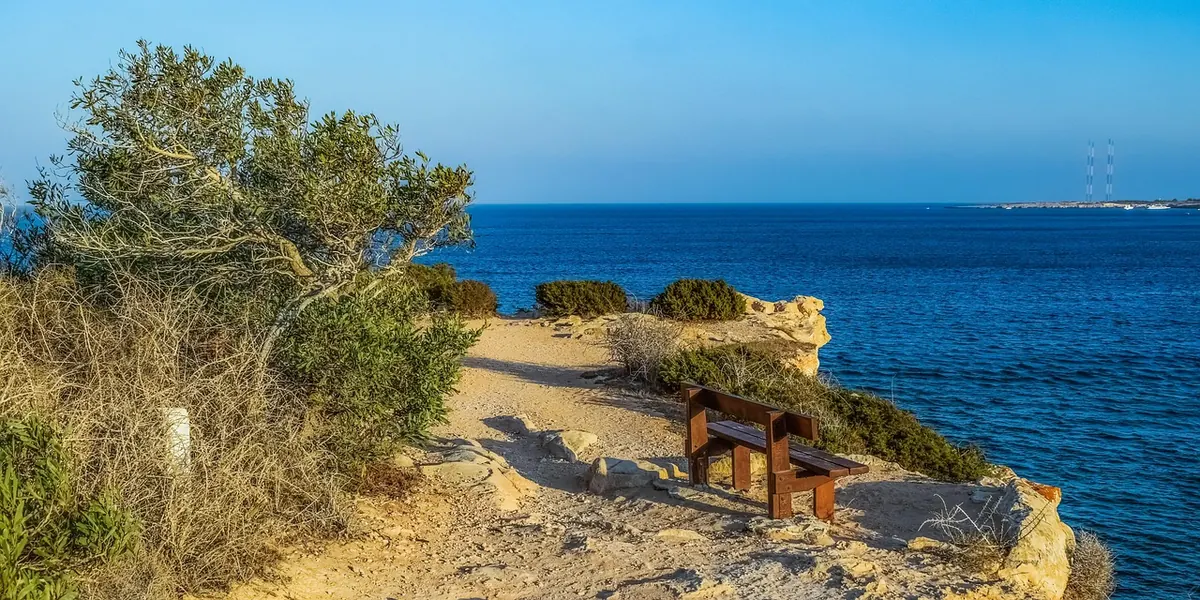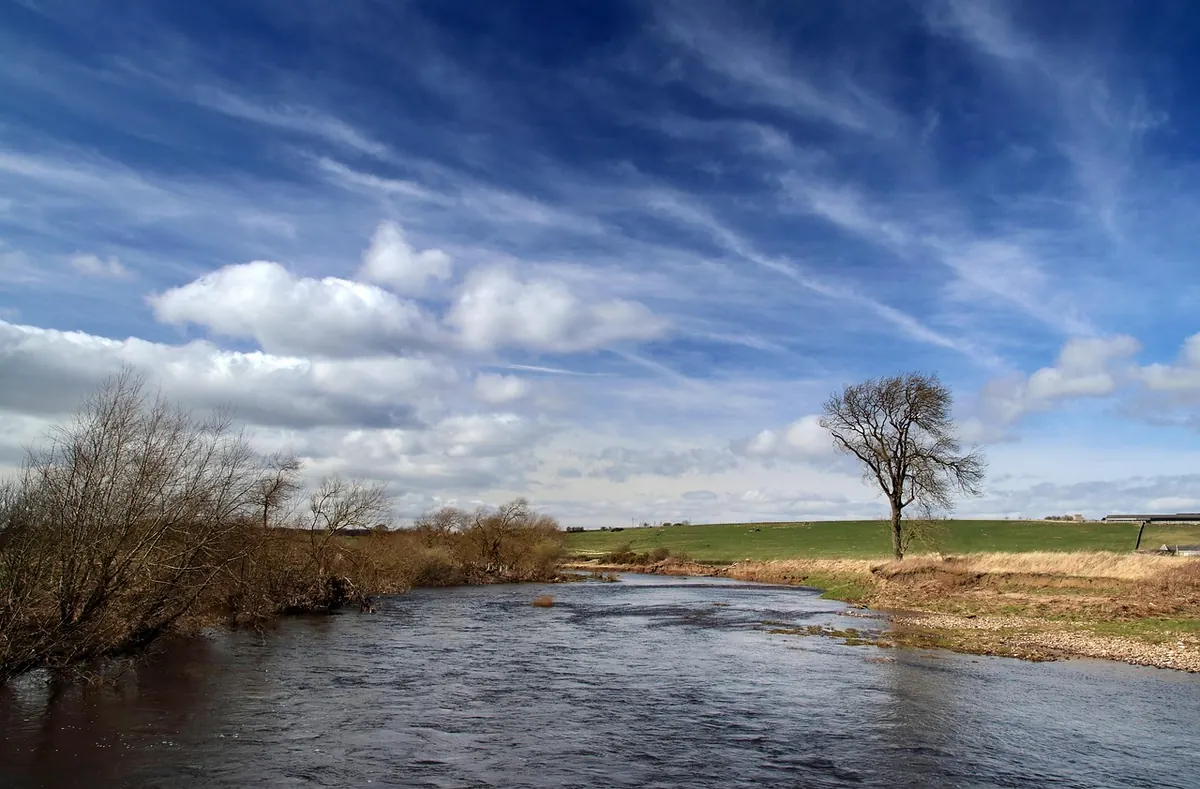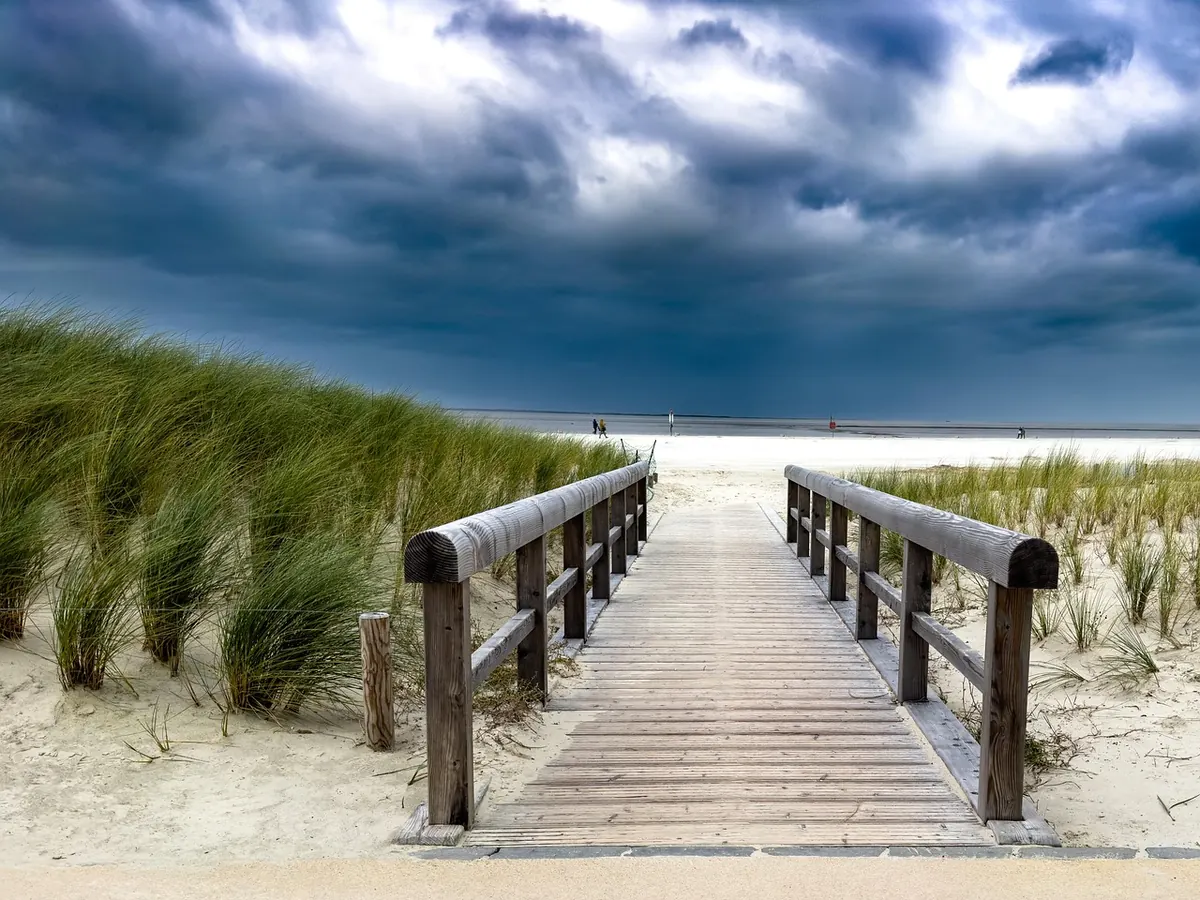
The North East coast does not perform on cue. A bright April morning on Bamburgh beach can turn into horizontal drizzle by lunchtime, and a flat-calm July day can bring a sea fret rolling off the water that swallows Tynemouth Priory whole. That unpredictability is part of the appeal, but it helps to know what each season actually delivers. Here is how the coastline behaves from Berwick down to the Tees, and how to plan around it.
Spring: bracing walks and the return of the seabirds
March and early April still belong to winter in spirit. Expect sharp easterlies, churned-up seas and beaches you can walk for half an hour without meeting another person. Alnmouth and Warkworth are lovely then, and Dunstanburgh Castle looks at its most dramatic against grey water.
This is also the season of the sea fret, the coastal fog that forms when milder air drifts over a cold North Sea. It can swallow Seahouses or Whitley Bay in minutes while inland stays bright, so pack a jacket even when the forecast looks kind.
By mid-April the birds are back. Puffins, guillemots and razorbills return to the Farne Islands, and boat trips start running from Seahouses. Arctic terns nest in noisy colonies and will dive at anyone who wanders too close to their chicks, so take the warnings seriously and keep a hat on. The Amble Puffin Festival usually falls in May, with guided walks, talks and trips around Coquet Island, where roseate terns breed. Bank holidays and half-term weeks fill the coastal towns quickly, so book accommodation and tables well ahead.
Summer: long light, cold water, busy sand
June is the sweet spot. Daylight lingers late into the evening, the dunes are full of scent, and the crowds have not yet peaked. July and August bring the visitors: Tynemouth, Cullercoats, Bamburgh and Seaburn all fill up by mid-morning on a warm weekend. Arrive early, or head for the longer, quieter stretches at Druridge Bay.
The sea is colder than it looks. Even in late summer it only reaches the mid-teens, which is fine for a quick dip but a shock for anyone expecting Mediterranean temperatures. Wetsuits are normal here, not a sign of weakness.
Festival season runs through the summer. The Mouth of the Tyne Festival in July brings music and performance to Tynemouth and South Shields, and late summer often closes with the Lindisfarne Festival at Beal Farm on the mainland opposite Holy Island. Dates shift, so check before you build a trip around one.
Swimming deserves a moment's thought. Lifeguard cover runs at several beaches during the summer months, and it is worth knowing which ones before you get in. Watch for rip currents near piers and harbour walls, never swim alone or after a heavy meal, and if you are in trouble, float on your back and raise one arm rather than fighting the water.
Autumn: the best month you are probably not using
September is arguably the finest time to be here. The sea still holds some summer warmth, the crowds thin out, and the light turns soft and golden in the late afternoon. The Great North Run finishes in South Shields in September, which makes the town lively and the roads busy for a day.
Wildlife moves on. Puffins leave their burrows by late July and August, but autumn belongs to the seals: grey seal pupping peaks on the Farne Islands from late October into November, and boat trips continue into October while the weather allows.
Autumn also brings the first proper storms, and with them some of the best beachcombing of the year. After an easterly blow, the strandline at Druridge Bay or Cresswell turns up driftwood, rope, mermaid's purses and the occasional surprise. Take a bag and leave the beach cleaner than you found it.
Winter: short days, big skies, empty sand
In mid-December the sun is gone before four in the afternoon, and the coastal wind has a bite that no amount of bravado will fix. What you get in return is solitude. Bamburgh, Dunstanburgh and Warkworth in low winter light are worth the numb fingers, and the beaches are yours.
This is the season for birds rather than bathers. Turnstones, sanderlings and purple sandpipers work the rocky shores, and waders gather on the mudflats and estuaries. Bring binoculars and a flask, and give yourself a shorter, warmer walk than you would plan in June.
Christmas and New Year bring the coastal rituals: Boxing Day dips at places like Seaburn, Roker and Whitley Bay, and New Year's Day walks along the promenade. If you are joining a dip, follow the organiser's guidance, go in with others rather than alone, and respect that cold water shock is real. Spectating with a flask is a perfectly respectable choice.
What to pack, month by month
- March to May: waterproof shell, warm mid-layer, hat and gloves, walking boots, binoculars, a spare pair of socks.
- June to August: sun cream and a hat for beach days, windproof layer for evenings, swim shoes, quick-dry towel, and a midge head net if you plan to sit out by an estuary at dusk.
- September to November: insulated jacket, flask, waterproof trousers for cliff paths, wellies if you want to walk the strandline after a storm.
- December to February: thermal base layers, gloves, head torch for early dusks, and a change of footwear for the car.
Whatever the month, add a tide table and some loose change. Tides here can shift several metres in a few hours, cutting off coves and causeways that looked perfectly safe twenty minutes earlier.
Before you set out
Check the day's tide times rather than relying on yesterday's, and if you are crossing to Holy Island, use the official safe crossing tables — the causeway floods twice daily and the times change. Book boat trips, Sunday lunches and popular campsites in advance, especially in school holidays. Many car parks take card or an app, but a little change still helps in smaller villages.
Stay back from cliff edges, which erode quietly and without warning, and keep dogs on leads where ground-nesting birds are present between spring and late summer. Do that, and the North East coast will reward you in any month you choose.
Photo: TomCam / Pixabay