Durham is roughly twelve to twenty minutes from Newcastle Central by train, which is exactly why so many people treat it as an afterthought — something to do when a spare afternoon turns up. That's a waste. The city is small enough to cover on foot and dense enough to fill a proper day: a cathedral that stands with the best Romanesque buildings in Europe, a castle on the same green, a river loop that takes an hour at an easy pace, and a tight knot of old streets, pubs and coffee shops between them. What makes or breaks the trip is sequencing. Get the train and the ticket right, start at the cathedral before the coaches arrive, and walk the river in the afternoon when the light is best. Here's how to put that day together.
Start with the train, not the timetable
Durham sits on the East Coast Main Line, so Newcastle Central is your departure point — not a Metro station, not a bus. LNER, CrossCountry, TransPennine Express and Northern all run along this stretch, and most services stop at Durham, though not all of them. Check the calling pattern when you book. The fastest trains get you there in about a quarter of an hour; the slower ones take a little longer and are no better for it.
Services run several times an hour through most of the day and thin out in the evening. That frequency is the reason not to over-plan: turn up, take the next one, and save the timetable for the return leg. One thing worth knowing before you arrive — Durham station sits on the hill above the city, so the walk in is downhill and the walk back is up. Leave that climb for the end of the day and it feels like nothing.
Tickets: what to buy, and when
- Off-Peak Day Return — usually the simplest option, and normally valid on any operator's service between the two stations, so you can catch whichever train suits.
- Advance single — cheaper if you book ahead, but tied to one specific train. Fine if your plans are fixed, annoying if they aren't.
- Anytime — flexible and more expensive. Worth it only if you genuinely don't know when you'll come back.
- Railcard — if you hold one, check it applies before you buy; the discount often pays for the card over a few trips.
Buy from an app or the machines at Central rather than on board, and keep the ticket to hand for the barriers at both ends. Fares shift with demand, so compare the options rather than assuming last year's price still holds. If you're travelling at a weekend, check for engineering work first — replacement buses add time and remove most of the convenience.
From the station to Palace Green
Ignore the taxi rank unless it's raining hard. The walk is part of the arrival and takes about fifteen to twenty minutes.
- Leave by the main entrance and follow the signs for the city centre.
- Climb the path and steps towards North Road, then continue to the Market Place.
- Cross the Market Place and take Saddler Street, which narrows as it runs towards the river.
- Turn up Owengate or along the Bailey — both lead to Palace Green.
- The cathedral entrance is on the north side of the green, facing the castle.
If you'd rather split the day differently, walk down to the river first via Framwellgate Bridge and save the climb for later. The reward is the view back up at the cathedral from the water.
The cathedral, and what to check before you go
Entry to Durham Cathedral is free, with donations invited. It is a working church as well as a visitor attraction, so opening hours shift with services and the season, and parts of the building can close at short notice. Check the day before rather than assuming.
Three things are worth deciding in advance:
- The tower. A few hundred steps up a narrow spiral, weather dependent, with a small charge. The view over the peninsula is the best in the city, but it isn't for anyone uneasy in tight spaces.
- The museum. Housed in the monastic buildings, it's a separate ticket and takes an hour or so. Good wet-weather insurance.
- Evensong. Usually open to visitors and free, and the reason many people end up staying longer than planned. Check the day's times.
Photography is generally allowed, but rules change and flash is rarely welcome in a space like this — ask at the desk if you're unsure. The castle, run by the university, opens for guided tours at limited times and often books out, so reserve ahead if it matters to you.
Riverside walks that earn their place
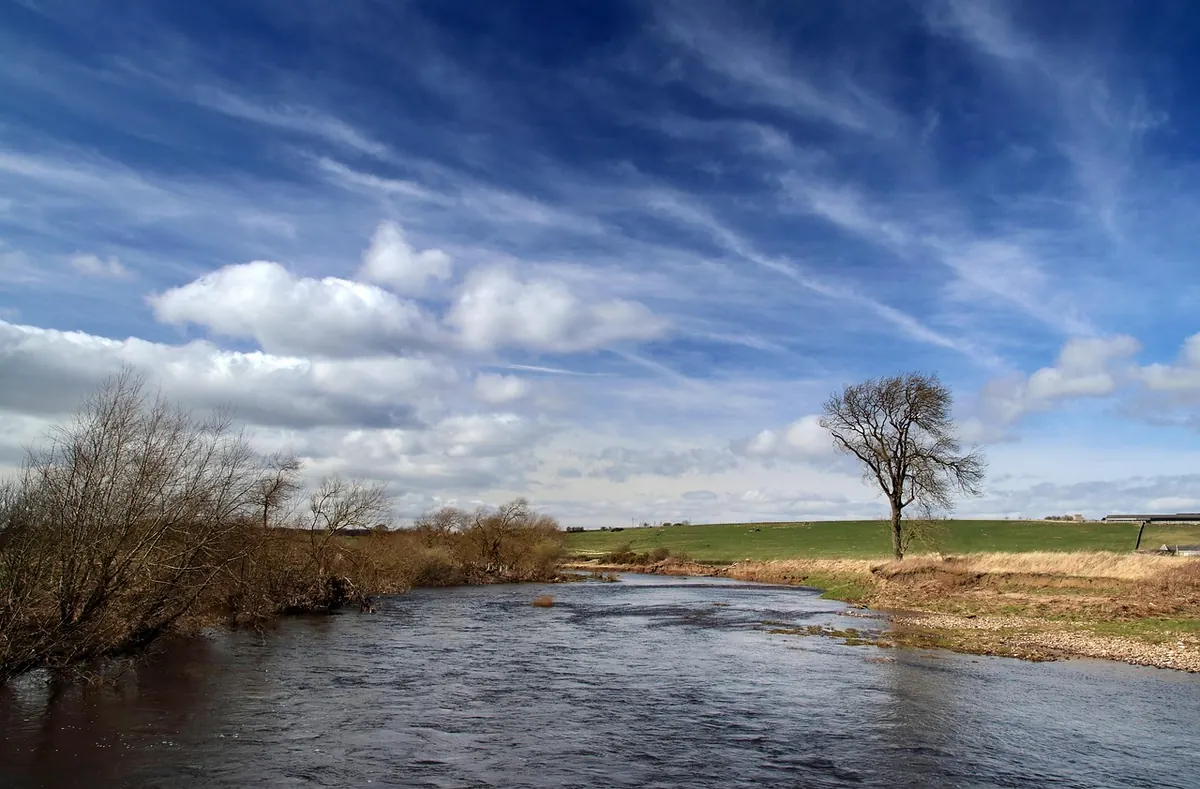
The Wear wraps around the peninsula in a near-complete loop, which makes it easy to build a walk that starts and ends in the same place.
- The short loop. Palace Green down to Prebends Bridge, cross, follow the far bank back to Elvet or Framwellgate Bridge, then climb into town. Thirty to forty-five minutes at a gentle pace.
- The longer circuit. Continue south past the university sports grounds and out towards the edge of the city, then return the same way or loop back through the streets.
- Beyond the city. The riverside path keeps going north towards Finchale, but that's a half-day in its own right and needs proper shoes.
Paths are muddy after rain and the bank gets slippery in winter. Flat shoes with grip beat anything fashionable here. Rowers train on this stretch year-round, so you'll often have company on the water.
Timing, food and crowds
Weekdays are noticeably quieter than weekends, and mornings are quieter than afternoons. If you're coming in graduation season in early summer, or on the weekend of the Regatta in June, expect a busier city and closed streets — check local events before fixing a date.
For lunch, the streets around the Market Place, Saddler Street and Elvet Bridge cover everything
Photo: Emphyrio / Pixabay