Tynemouth has the feel of a place you'd need a car to reach: a clifftop castle, two sandy bays, a Victorian station under a glass roof and a market that fills it every weekend. You don't need a car. From the middle of Newcastle, the Metro will put you on the coast in about half an hour, and the station is roughly two minutes from the sand.
Here's how to plan the day so you spend your time on the headland rather than working out the timetable.
The route, in plain terms
The coast is served by the yellow line, which loops out of Newcastle through the northern suburbs, up to Whitley Bay and Cullercoats, then into Tynemouth before curving back along the river to Wallsend and Byker. You can pick it up at Monument or Haymarket, both a short walk from the main shopping streets. If you arrive on a mainline train at Central Station, walk up to Monument rather than trying to find a clever shortcut.
From Monument to Tynemouth usually takes around half an hour. Trains run several times an hour for most of the day and thin out in the evening. Sit back for the first stretch, then start watching the window somewhere after Monkseaton, where the suburbs give way and you catch your first flashes of water.
Tickets, timing and boarding
There are no barriers at most Metro stations, but that doesn't mean the fare is optional — inspectors work the network and penalty fares apply. Sort your ticket before you travel.
- Buy at the machine. Every station has them, and they take cards. Fares are worked out by zone, so a journey from the city centre out to the coast costs more than a hop between neighbouring stations.
- Consider a day ticket if you plan to hop on and off — for example, riding out to Tynemouth, walking the coast path to Cullercoats, then catching the train back from there.
- Keep your ticket until you leave the system. Paper tickets go in your pocket, not the bin, especially if you're changing at Monument.
- Check for disruption before you set off. Weekend engineering work is a fact of life on the Metro, and replacement buses can add twenty minutes each way. A quick look at the live service updates saves a lot of standing about.
- Note the last train back. Services wind down earlier on Sundays than on Saturdays, and the coast isn't a place you want to be stranded.
Arriving: the station is part of the trip
Tynemouth station is a listed Victorian building with a long, arched trainshed, and it's worth ten minutes before you go anywhere else. Under the glass roof you'll find a handful of permanent units — coffee, books, vintage — and on Saturdays and Sundays the whole place fills with stalls. Step outside and Front Street runs away to your left, downhill towards the sea. You can already smell it.
The headland: castle, priory and the view
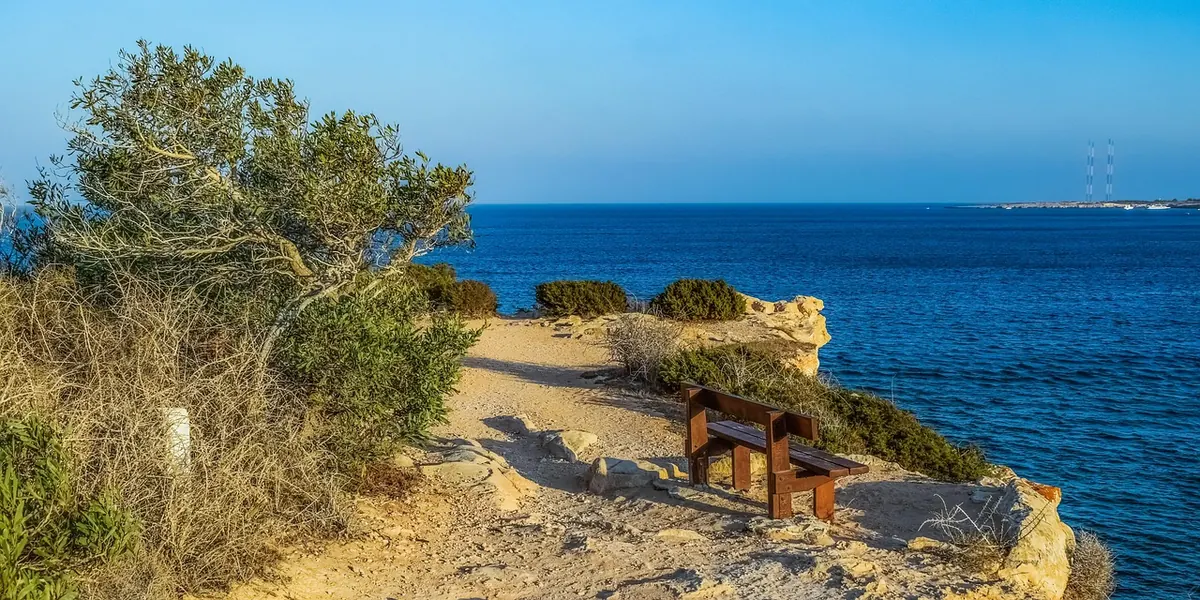
Walk east along Front Street, past the Grand Hotel and the pubs, and the road bends towards the headland. The castle and priory sit on the cliff above the river mouth, and there is an admission charge for the English Heritage site, though members go free. Even if you skip the ruins, the walk around the outside is free and worth the effort: grass ramparts, a small graveyard, benches facing the water, and a view back up the Tyne towards the city on a clear day.
On the north side of the headland you'll find the Collingwood Monument and the Spanish Battery, where the river meets the sea. Boats come and go, the light changes every ten minutes, and it's the best place in Tynemouth to sit still.
Longsands, King Edward's Bay and the tide
Longsands is the big beach to the north: a wide sweep of sand between the headland and Cullercoats, popular with surfers, dog walkers and anyone who fancies a swim. Lifeguards patrol it during the summer season, but that doesn't change the basics — swim between the flags, and don't swim alone or after drinking.
King Edward's Bay is the smaller, more sheltered beach tucked beneath the priory, reached by steps and paths down from the headland. It's the prettier of the two and the busier one on a hot afternoon.
One thing to take seriously: the tide moves quickly around the headland, and the rocks below the castle can be cut off. Check a tide table before you scramble down, and don't rely on the path you arrived by still being there an hour later.
The market, Front Street and lunch
Tynemouth Market runs on Saturdays and Sundays, filling the station with food stalls, records, second-hand tools, vintage clothing, prints and the kind of rummaging that eats an hour without warning. Go before midday if you want the full range; by mid-afternoon the traders are packing up. Bring a little cash as a backup even though most stalls now take cards.
Front Street and the streets behind it handle the rest. There are independent coffee places, a bakery or two, proper pubs with sea views and a handful of restaurants that fill up fast on a sunny Sunday — booking ahead is sensible if you want a table rather than a takeaway.
Making a full day of it
The Metro makes it easy to string together more than one stop. Two good options:
- Tynemouth to Cullercoats on foot, Metro back. Follow the coast path north past Longsands to the small harbour at Cullercoats — around half an hour at an easy pace — then catch the train from Cullercoats station.
- North Shields for the Fish Quay. One stop along the line, and a short walk downhill takes you to the quayside, where the fish restaurants and the Shields Ferry are.
If you've got legs left, the promenade walk from Tynemouth up to Whitley Bay and St Mary's Lighthouse is a fine three-mile stretch of sea air, and the train will bring you back from Whitley Bay if the weather turns.
Practical notes before you go
- Footwear: the headland paths are uneven and can be greasy after rain. Trainers are fine; smooth-soled shoes are not.
- Layers: the coast is reliably windier than the city centre, even when the sun is out.
- Timing: check last trains, engineering closures and tide times the night before, not on the platform.
- Facilities: public toilets are near the beach and around the park rather than on every corner.
- Cards and cash: contactless payment has been arriving across the network, but machines remain the reliable option.
Pack a jacket, buy a day ticket, and let the train do the driving. Tynemouth rewards the kind of day where you arrive with a rough plan and then abandon it the moment you see the sea.
Photo: ELG21 / Pixabay